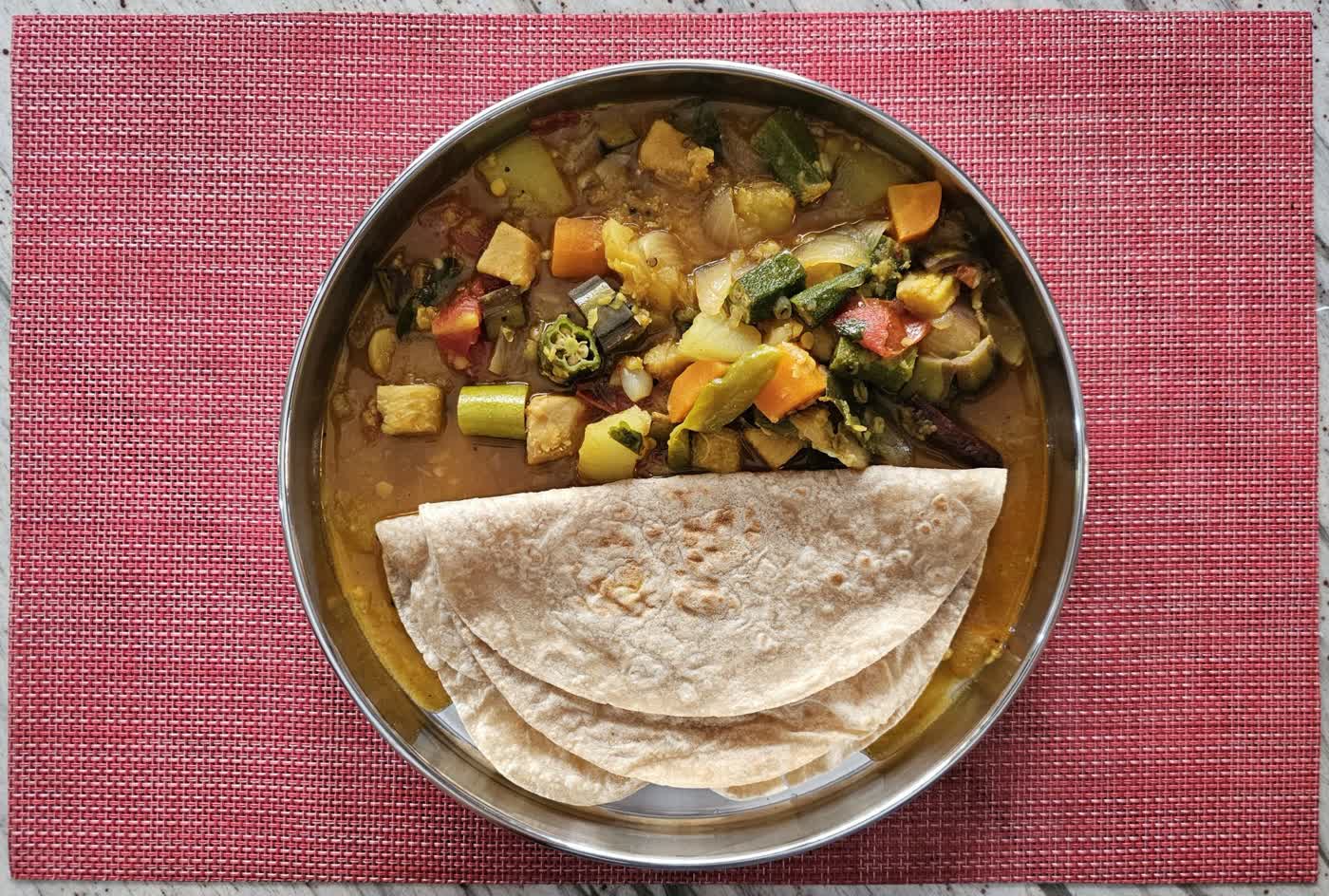
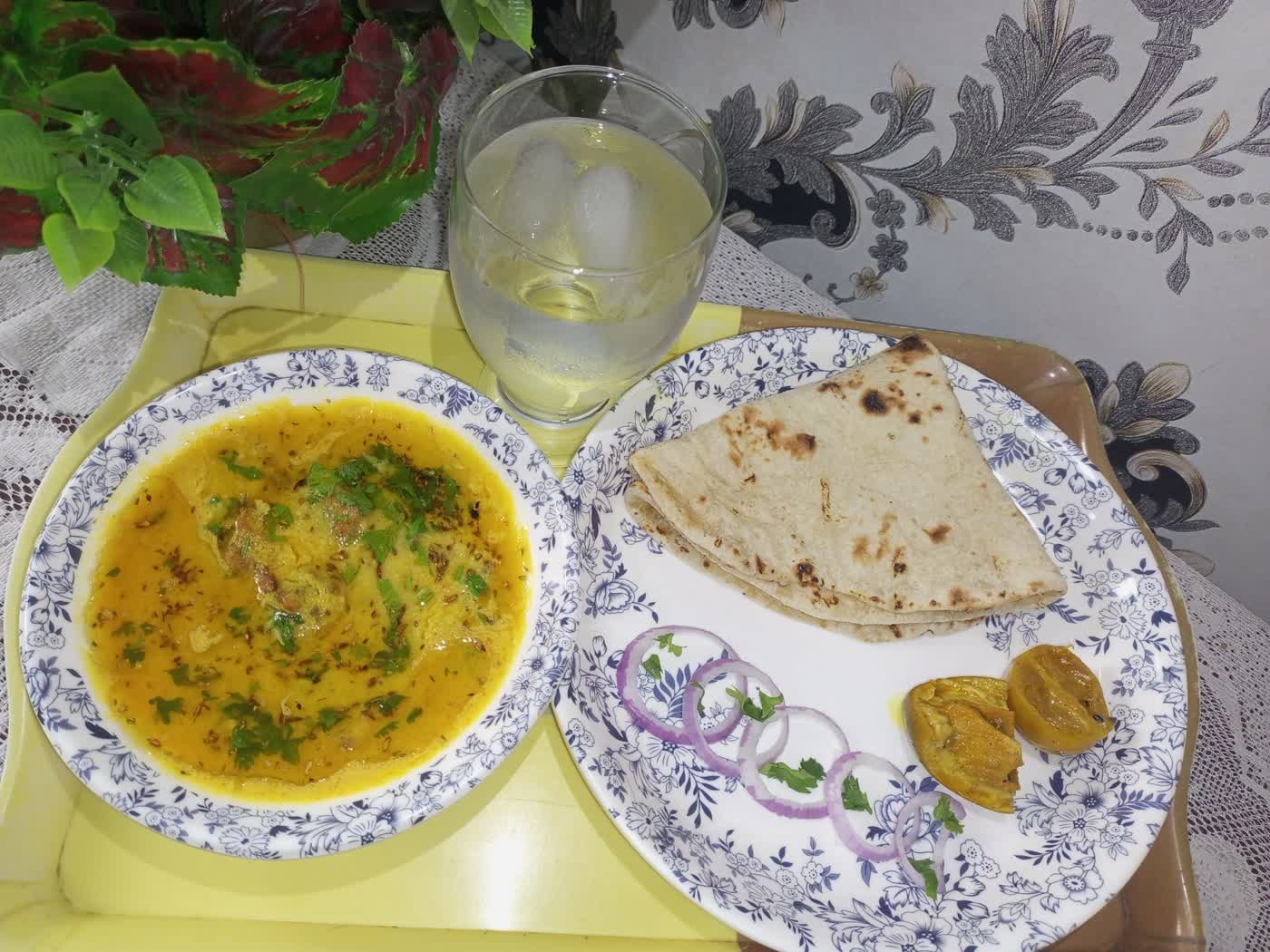
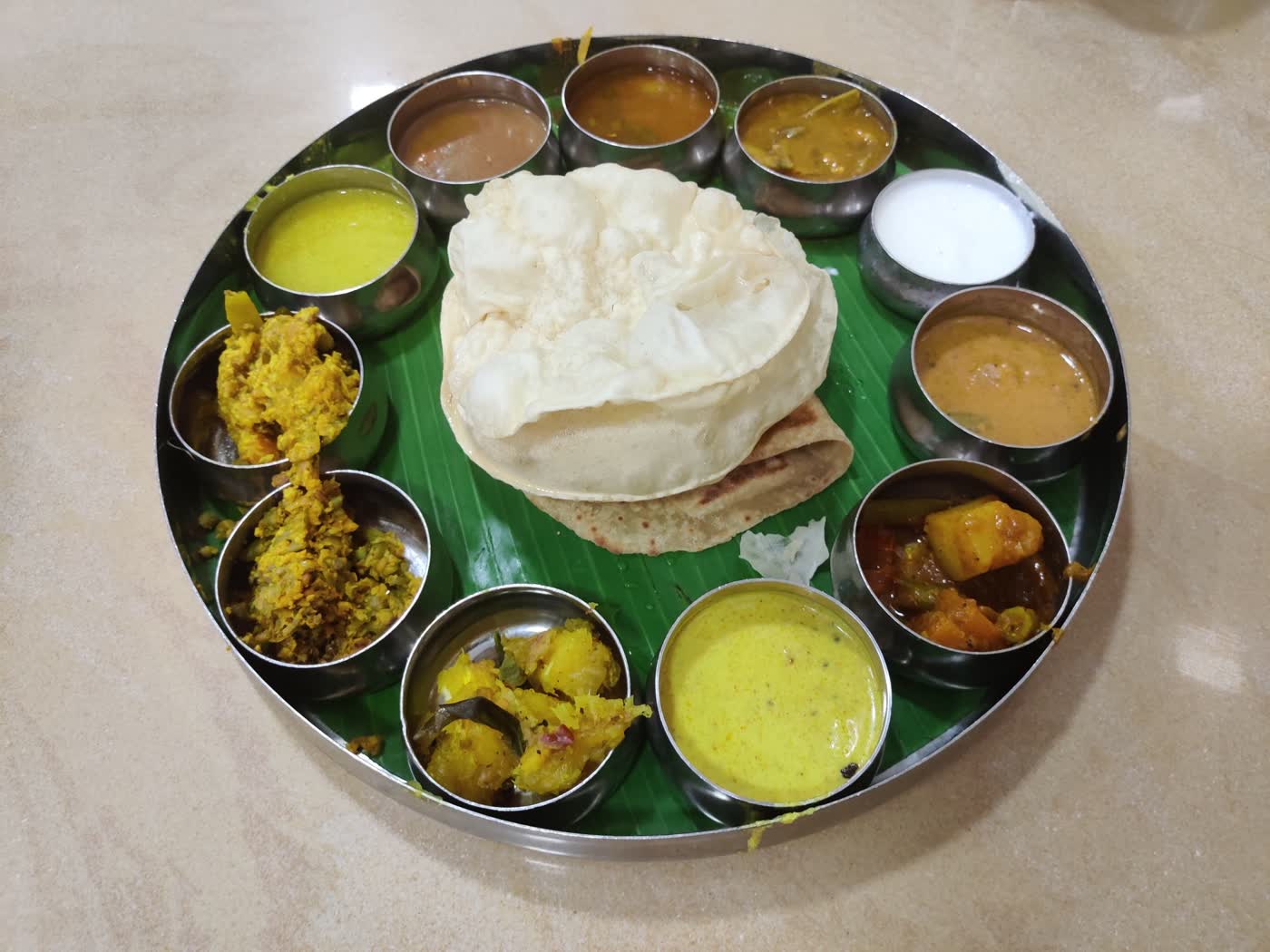
You can keep eating Indian food while managing your weight. The NHS suggests a gradual 0.5 to 1 kg a week and not skipping meals. In Thali's database a katori of sambar is about 83 kcal and lauki sabzi about 83 kcal, while paneer butter masala is about 246 kcal, so the dish and the portion matter.
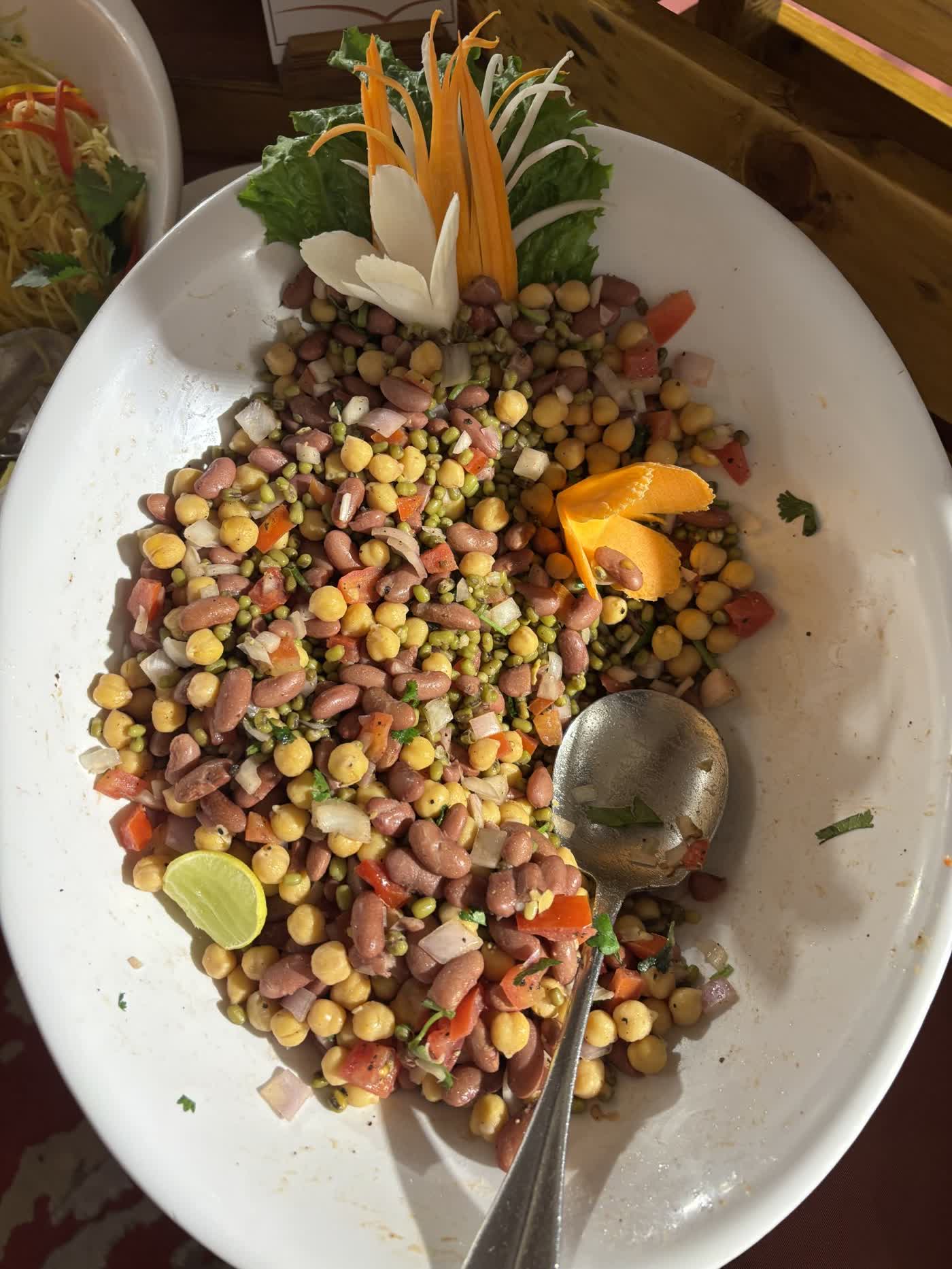
Indian vegetarians get protein from pulses, dairy, soya and grains across the day. In Thali's database a 150 g katori of rajma has about 13 g of protein, chole about 13.4 g and toor dal about 9 g, while 100 g of paneer has about 18 g. Variety matters more than any single food.
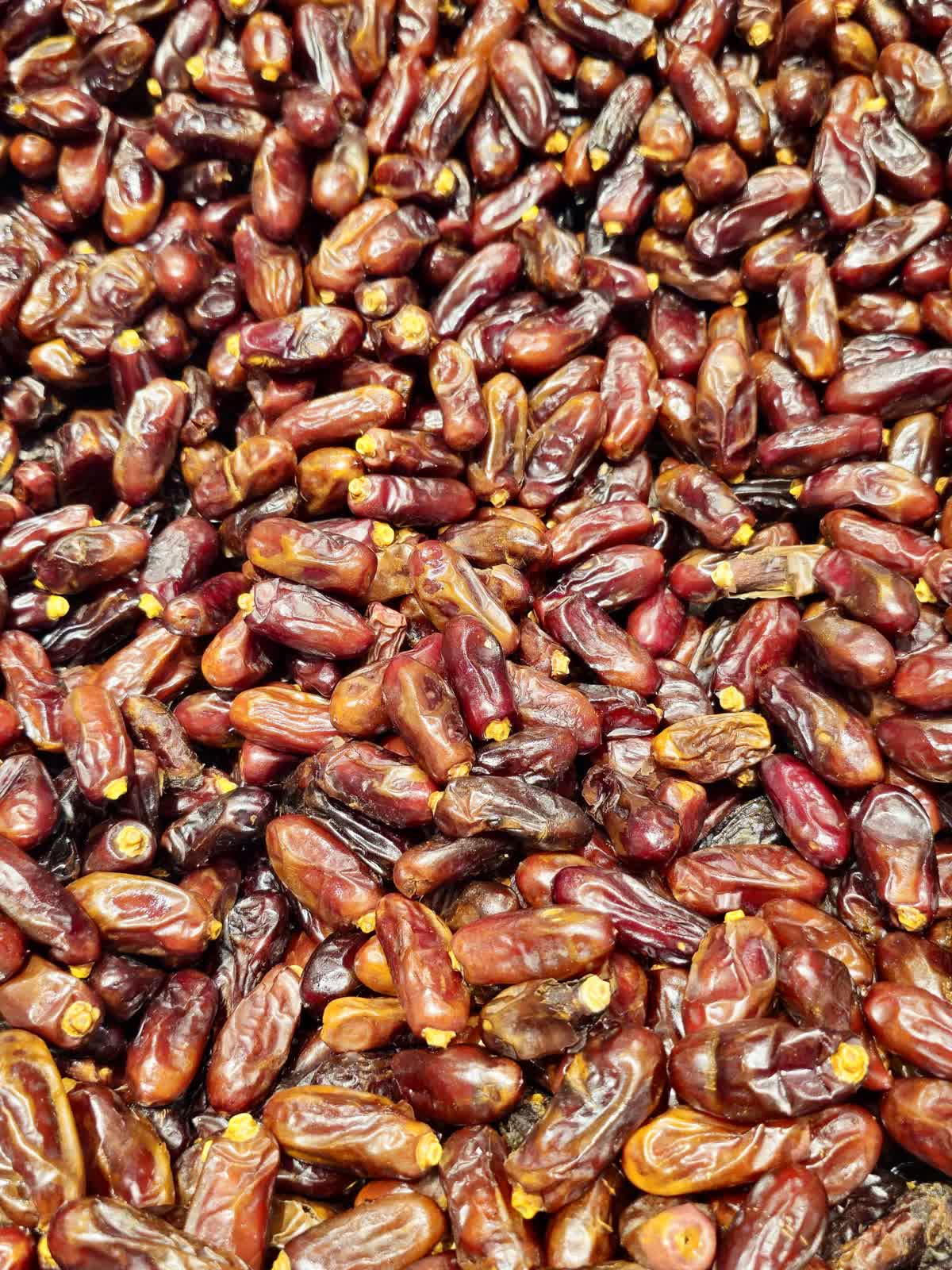
A Ramadan diet usually means two main eating times, suhoor and iftar. The British Nutrition Foundation suggests fluid-rich, high-fibre foods at suhoor, dates and fluids to break the fast, then a balanced meal, with fried and sugary foods limited. In Thali's database, a katori of moong dal khichdi is about 173 kcal.
Yes. The NHS and NICE use lower BMI thresholds for adults of South Asian background: 23 to 27.4 counts as overweight and 27.5 or higher as obese, instead of 25 and 30. The reason is that health risk tends to appear at a lower BMI in these groups. BMI is a screening tool and cannot diagnose anything.
It depends on the portion. In Thali's database one 30 g phulka is about 79 kcal, a 45 g chapati about 134 kcal and a 150 g katori of plain white rice about 195 kcal. Two phulkas come to about 158 kcal, so the comparison turns on how many rotis and how much rice you serve.
A 150 g katori of toor dal has about 147 kcal and 9 g of protein in Thali's database. Moong dal is lowest at about 123 kcal, chana dal has the most protein of the plain dals at about 10.5 g with 165 kcal, and dal makhani is richest at about 222 kcal and 7.5 g of fat.
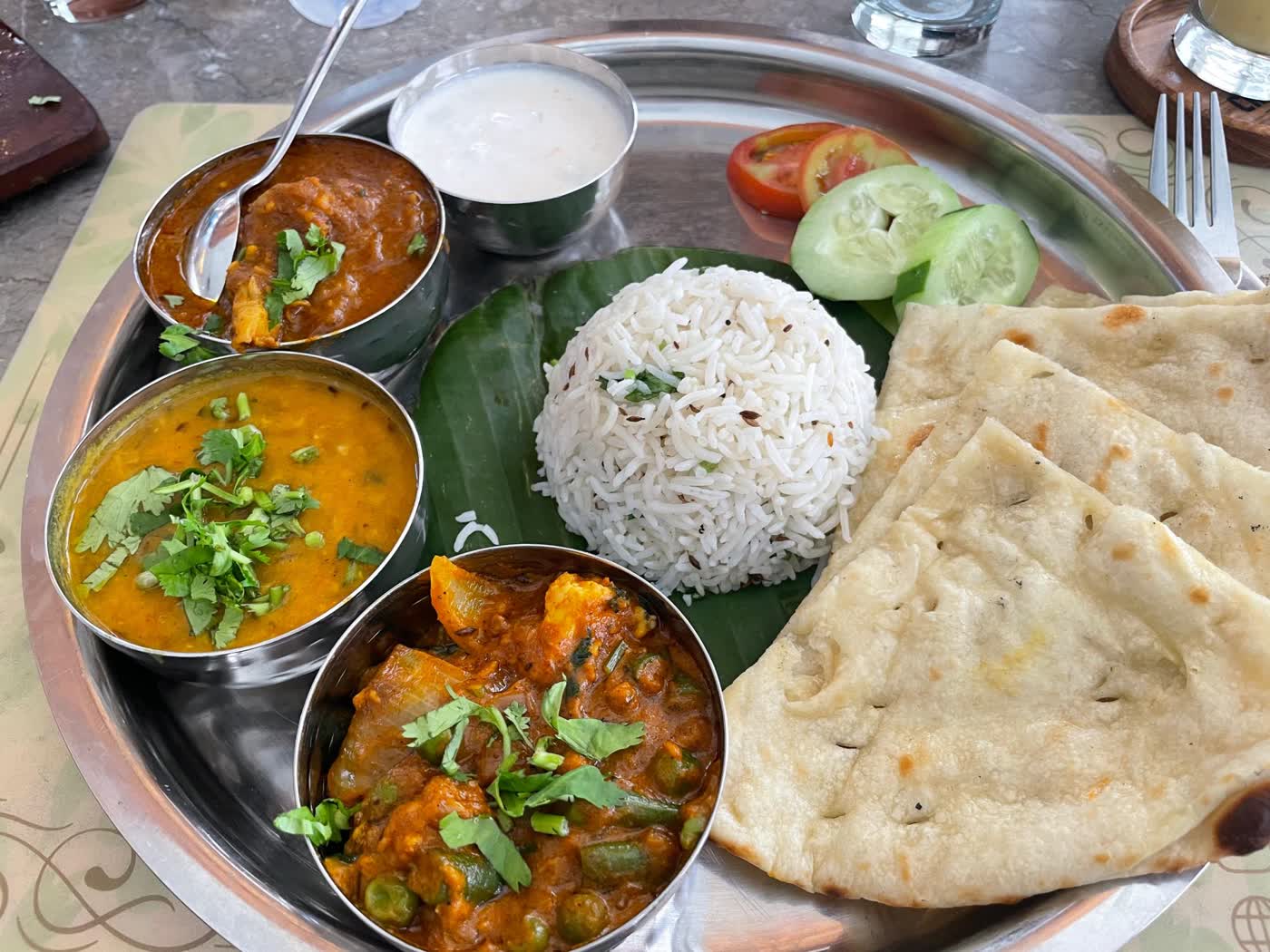
A katori is the small bowl served on an Indian thali. In Thali's database most cooked dishes use 150 g per katori, including dal tadka, rajma and sambar, while raita and kheer can be 100 g or 150 g and coconut chutney is 80 g. No official size exists, so weigh water in your own bowl to find yours.
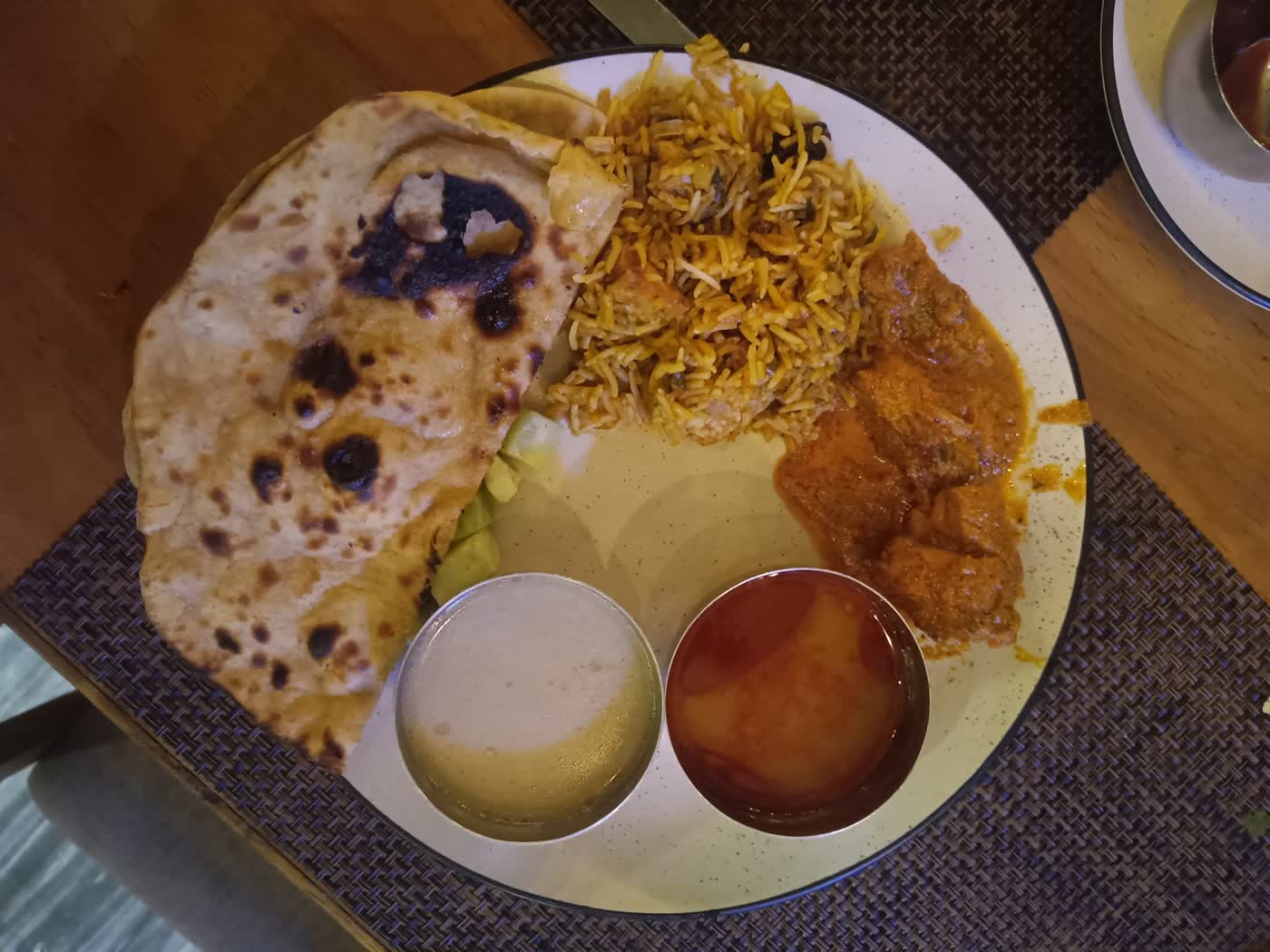
Indian food calories depend on the dish and the portion. In Thali's database, one 150 g katori of dal tadka is about 145 kcal, paneer butter masala about 245 kcal, and a small plate of mutton biryani about 370 kcal. Plain rice, rotis and the oil in the pan decide the rest of your total.
A relapse prevention plan lists your triggers, your early warning signs, the coping skills you will use and the people you will contact. Write it while you feel steady, keep it somewhere easy to find and review it regularly. If you slip, treat it as information and ask for support.
To support someone quitting drinking, ask how you can help, listen without judgment, offer alcohol-free company and keep your own boundaries. Avoid nagging, checking up or pushing them to stop suddenly if they drink heavily, because that can be dangerous. Encourage them to see a doctor, and look after yourself too.
Common sobriety milestones are 24 hours, 7 days, 30 days, 60 days, 90 days, six months and one year. They matter because they make progress visible. You choose which ones to mark and how, and celebrating the first day counts as much as celebrating the first year.
To quit social media, decide how far you want to go, whether a pause, firm limits or full removal. Turn off notifications, move the apps off your home screen, keep your phone out of the bedroom and plan what to do instead. Check in daily so you can see your progress honestly.
To quit gambling, remove easy access, tell someone you trust, plan for your urges and get professional support. Cognitive behavioural therapy has the strongest research support, and peer groups such as Gamblers Anonymous can add support. Recovery takes time, and a helpline can point you to local help.
To quit vaping, pick a start day, remove your devices and refills, and expect cravings, restlessness and low mood for a while. Health Canada says withdrawal is common and not dangerous, and cravings fade with time. Talk to a pharmacist or doctor about quit aids, and use quit services if you want support.
Urge surfing means noticing a craving, staying with it and watching it rise, peak and ease instead of acting on it. Breathe slowly, notice where you feel the urge in your body and give it a few minutes. Cravings often pass, though how long they last varies by person and situation.
To quit drinking, take it one day at a time. Tell someone you trust, clear alcohol out of your home, plan the hours you usually drink and check in honestly each day. If you drink heavily or every day, talk to a doctor or a health service before you stop suddenly, because alcohol withdrawal can be dangerous.
The best ADHD accountability app is one you will still open after a bad week. Look for a short task limit, outside prompts instead of a passive list, credit for partial progress, a shame-free way back after missed days and help starting stuck tasks. No app replaces treatment, so use it alongside professional care.
Emotional dysregulation means having trouble managing feelings and reactions. Many people with ADHD describe it, which can look like quick frustration, strong reactions to small setbacks or trouble calming down. Over time it can drain energy and feed burnout. Naming feelings, keeping routines, resting and working with a therapist can help.
Working from home with ADHD can be harder because the office quietly supplied structure: a commute, colleagues nearby and fixed hours. To replace it, design a workspace that signals work, set a simple daily structure, and add accountability such as check-ins or a body double so someone or something notices your progress.
Switching tasks and handling notifications cost everyone focus, and people with ADHD often feel it sharply. Research on interrupted work shows people finish faster after interruptions but pay in stress and frustration. Protect your focus by batching alerts, working in blocks, and choosing a few outside prompts on purpose.
ADHD mornings are hard because they demand many steps in a row, on a clock, right when you are least alert. Sleep problems, snoozing and weak task initiation add to it. A short routine with few decisions, set out the night before and backed by outside cues, works better than willpower.
ADHD hyperfocus is a state of deep absorption in one activity, often to the exclusion of everything else. It is hard to switch on for tasks you choose, and hard to switch off once it starts. You can work with it by starting tasks in small steps, setting outside interrupts before you begin, and planning recovery time.
ADHD time blindness is trouble sensing how much time has passed or how long a task will take. It is not a formal diagnosis, but many people with ADHD recognize it. You can work with it by using outside cues like timers, tracking how long tasks really take, and adding a buffer to every estimate.
Rejection sensitive dysphoria (RSD) is intense emotional pain around perceived rejection or failure. It is not an official diagnosis, yet it is often described alongside ADHD. The fear of getting it wrong can push you toward perfectionism or toward avoiding the task. Smaller goals and a shame-free way back after a miss help break the loop.
The best ADHD apps for adults in 2026, matched to the challenge each one solves: task paralysis, focus, time blindness, emotional support and organization.
AI coaching for ADHD is a new category. Compare Naggr, Ari, Actimate, and others — which ADHD accountability apps with AI actually help adults follow through?
ADHD task paralysis makes starting tasks feel impossible. These 5 apps — Naggr, Goblin Tools, Focusmate, Meli, and more — are designed to break through it.
Most ADHD adults have a graveyard of abandoned productivity apps. These 5 specific design failures explain why — and what an app actually built for ADHD brains does instead.
Todoist is one of the most powerful task managers ever built. Naggr is built specifically for ADHD brains. This honest comparison explains why the difference matters — and which one is right for you.
Body doubling is one of the most effective ADHD focus strategies. Learn what it is, why it works neurologically, and how a digital app can deliver the same benefit.
The ADHD 24-hour rule: yesterday does not follow you into today. Learn why the daily reset is a feature of ADHD, not a bug — and how to use it to your advantage.
These ADHD habits are backed by research and designed to work with the ADHD brain — not against it. Time-boxing, body doubling, micro-commitments, and more.
Can adults with ADHD live a normal life? The honest answer is yes — but "normal" needs to be redefined around ADHD brain patterns, not neurotypical ones.
Morning paralysis, time blindness, task switching, forgetting the app exists — the daily ADHD struggle is real. Here is what each pattern looks like and what actually helps.
People with ADHD are not lacking willpower — they are lacking external structure. Here is what adults with ADHD actually need, and how to build systems around those real needs.
Most productivity apps were designed for neurotypical brains. Learn why they fail people with ADHD — and what a genuinely ADHD-friendly app looks like.
The 2/3 rule — completing 2 of 3 daily tasks counts as a win — is the most powerful ADHD productivity strategy most people have never tried. Here is the science.
ADHD task paralysis — the inability to start despite wanting to — is neurological, not a character flaw. These 5 evidence-based strategies break through the freeze.
ADHD bad days are inevitable. Recovery Mode is a structured, shame-free approach to bouncing back — without triggering the shame spiral that turns one bad day into a bad week.
AI coaching for ADHD provides 24/7 availability, zero judgment, and instant task decomposition. Learn how it works, its real limits, and how Naggr uses it daily.