Portions 6 min read
How Much Is a Katori? Size, Grams and Calories Explained
By the Amelior Labs team · October 5, 2026
Ask how much a katori holds and every kitchen gives a different answer, because the word names a style of bowl and has no measuring standard behind it. That is why it is handy and why it needs care. This guide shows the gram weights Thali's database attaches to a katori for different foods, explains why dry and cooked katori are very different, and walks you through measuring your own bowl so your logs match your plate.
What is a katori bowl?
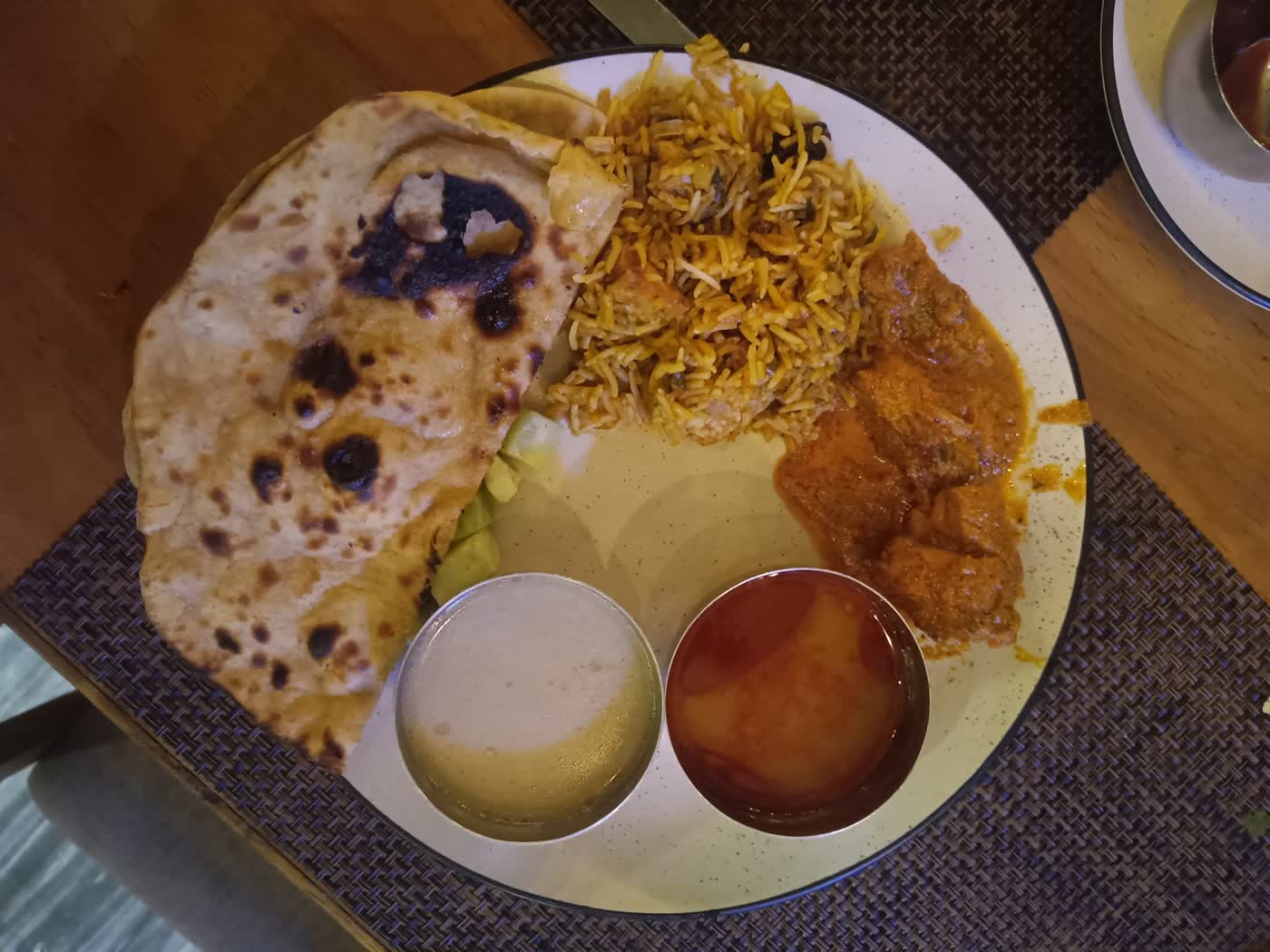
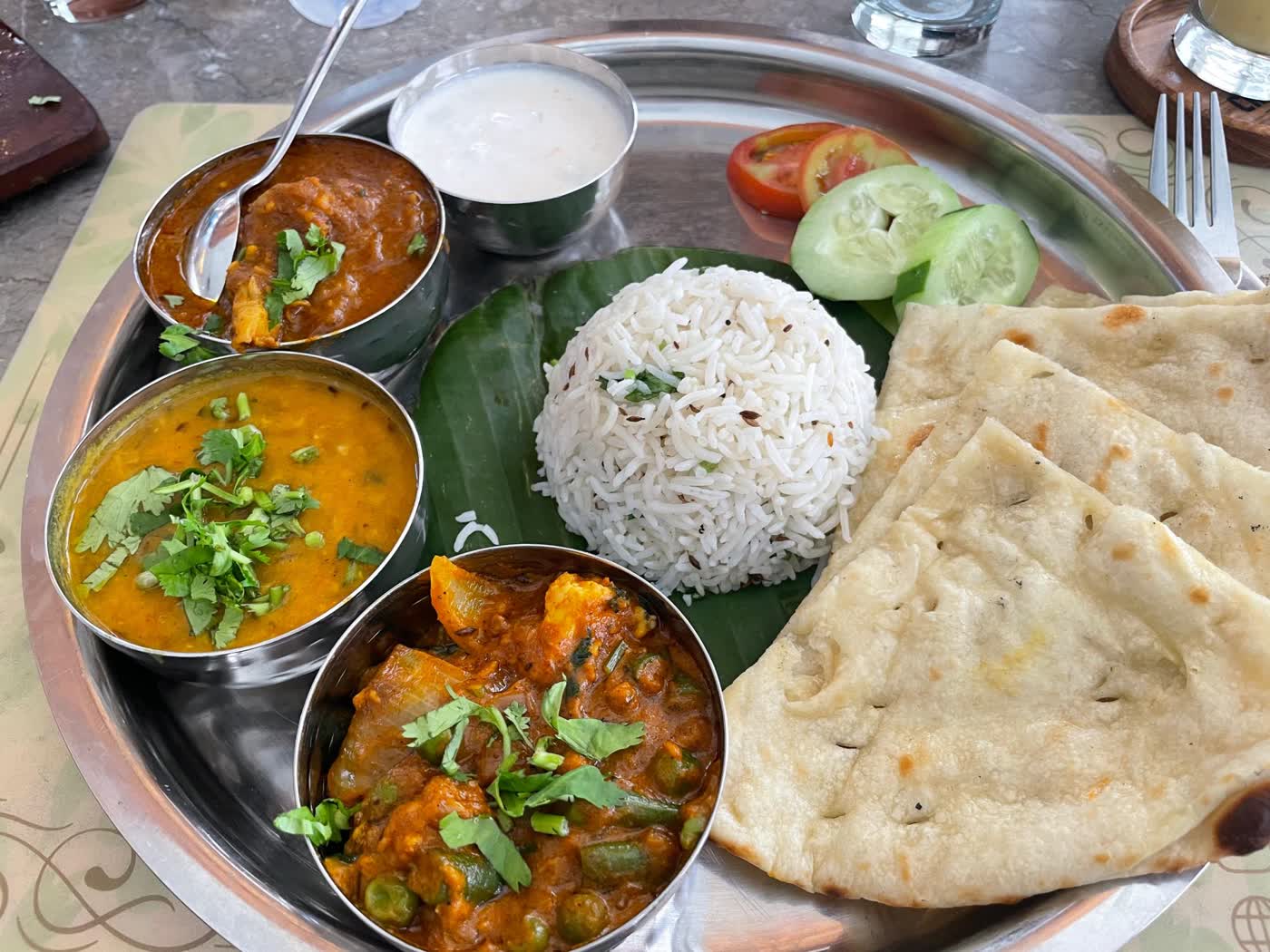
A katori is a small, usually steel bowl that holds a single serving of dal, sabzi, curd or raita on a thali. Families have their own katoris, restaurants often serve larger ones, and a heaped bowl holds more than a level one. Because the real size varies, Thali does not pretend a katori is a lab unit. It converts each katori to a stated weight in grams for that food, then calculates calories from the database. You see portions in katori, piece and cup sizes instead of having to weigh everything on a scale.
How much is a katori in grams in Thali?
There is no single answer, and the database reflects that. Most cooked curries and dals use 150 g for one katori, while smaller side dishes use less. The weights below are the portion sizes recorded for each entry, so the same word can map to different grams depending on the food. If your bowl is larger or smaller than the one assumed, scale the amount up or down when you log. Keep in mind that these weights come from different sources and entries, so not every dish follows the 150 g rule. When an entry lists both a small katori and a medium katori, the grams beside each one tell you exactly what was assumed for that dish.
- Dal tadka, rajma, sambar: 1 katori is 150 g
- Raita: small katori 100 g, medium katori 150 g
- Gajar halwa and suji halwa: 1 katori is 100 g
- Coconut chutney: 1 katori is 80 g
- Cooked chickpeas (Pakistan FCT 2001): 1 katori is 123 g
Why a katori of dry dal is a different portion
Cooking adds water, so the same katori holds very different nutrition before and after. In the database, one katori of raw chana dal is 124 g and comes to about 410 kcal with about 27 g of protein. A 150 g katori of cooked chana dal is about 165 kcal with about 10.5 g of protein. Neither number is wrong; they describe different foods. When you log from memory of the recipe, choose the cooked entry for the bowl you eat and the raw entry only for the ingredients you measured before cooking.
How to measure your own katori at home
Fill your katori to the level you normally serve, pour the water into a measuring jug or onto a kitchen scale, and note the number. One millilitre of water weighs about one gram, so the volume gives you a rough gram figure for water-like foods such as thin dal. Thicker foods like cooked rice or sabzi will weigh differently from water, so weigh a real serving once if you want to be precise. Do this for each bowl you use, then compare the result with the 150 g standard. Repeat the measurement with the bowl you use for dal and the one you use for sabzi, since they are often different sizes. Write the result on a sticky note inside a cupboard so you only measure once.
What a 150 g katori adds up to
To see how portion weight turns into calories, here are values for a 150 g katori from the database. Plain white rice appears here because Thali also lists it as a 150 g katori. A cooked-rice cup in the USDA entry, by comparison, is 158 g, which is close but not identical, so check which unit you picked. These are database values, so they assume an average recipe. A dal tempered with extra ghee, or a raita made with full-fat curd, will land higher, and a thin sambar will land lower. The aim is a close, consistent estimate you can compare from day to day, since consistency helps you see trends even when a single number is a little off.
- Sambar: about 83 kcal
- Raita: about 72 kcal
- Dal tadka: about 143 kcal
- Rajma: about 185 kcal
- Plain white rice: about 195 kcal
Why Thali counts in katori and pieces
Most people know what one katori looks like on their own plate, but few weigh food at dinner. Counting in katori, piece and cup sizes keeps logging quick and close to how you cook and serve. You can also scan a photo of your meal so AI identifies the dishes, or log by voice. When a dish is matched, the calories come from the verified database rather than from AI, and a scan that cannot be matched is shown as a labelled estimate. Real portions vary with the cook and the bowl, so measure your own katori once and adjust. If a restaurant serves a larger katori than yours, log the bigger amount for that meal.
Frequently asked questions
How much is a katori in grams?
There is no official weight. In Thali's database most cooked dishes such as dal tadka, rajma and sambar use 150 g per katori, while raita, halwa and chutney use 80 g to 150 g. Measure your own bowl with water and a scale, then adjust.
What is a katori bowl?
A katori is a small bowl, commonly made of steel, used to serve a single portion of dal, curry, sabzi or curd with an Indian meal. Sizes vary between homes and restaurants, so it works as a familiar portion rather than a precise unit.
How many ml is a katori?
No standard exists. Because water weighs about 1 g per ml, a bowl that holds 150 g of water holds about 150 ml. Thali works in grams per food, so pour water into your katori, measure it and compare with the 150 g used for most cooked dishes.
Is a katori the same as a cup?
Not exactly. In the database a katori of plain white rice is 150 g, while a cooked-rice cup entry from USDA is 158 g. They are close for rice but differ for other foods, so use the unit that matches what you actually measured.
What if my katori is bigger than 150 g?
Log a larger amount so your entry matches your plate. For example, if your bowl holds about 200 g of dal, record more than one katori. Weighing a real serving once gives you a personal conversion you can reuse. Real portions vary with the cook and the bowl.