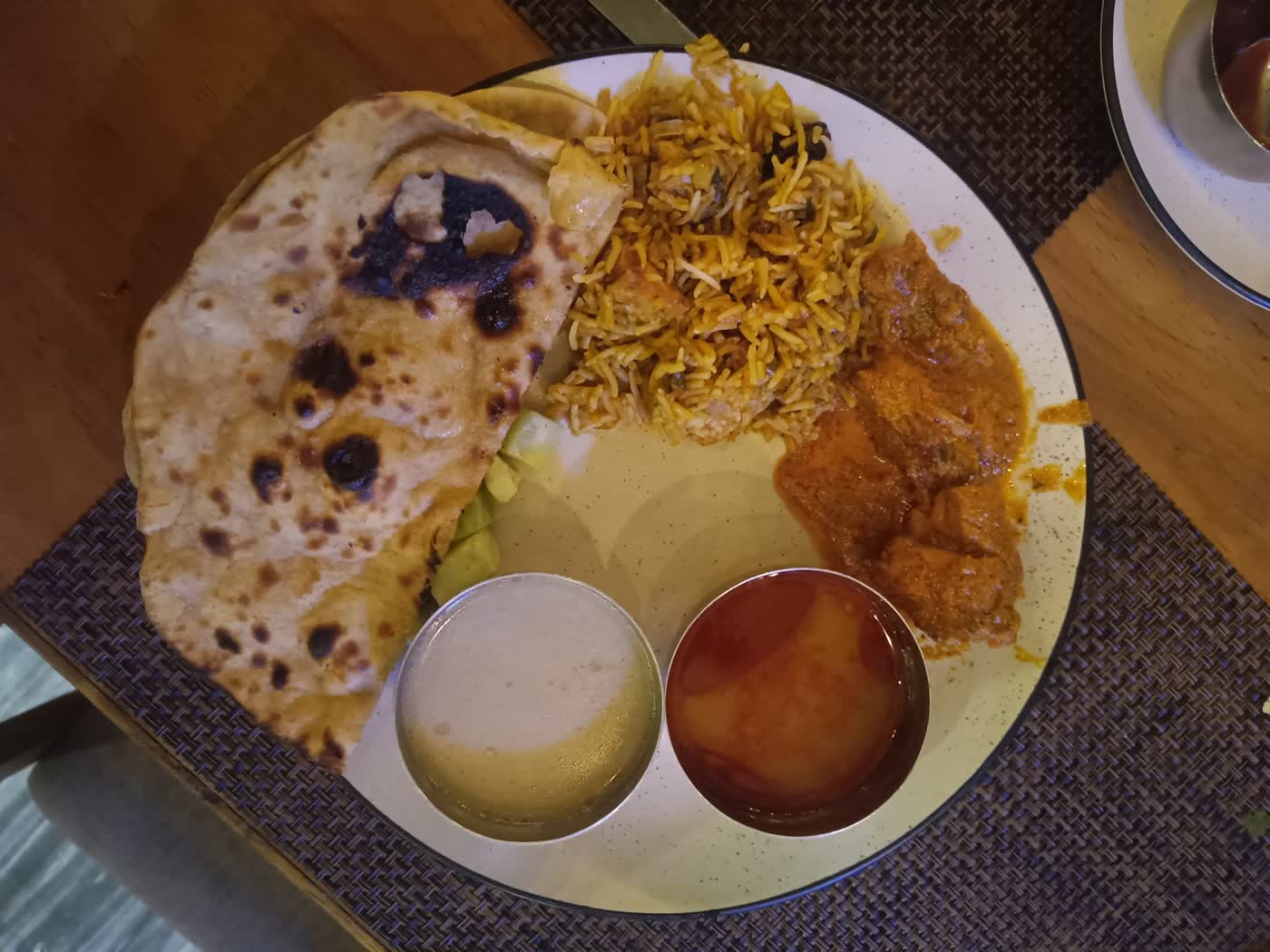
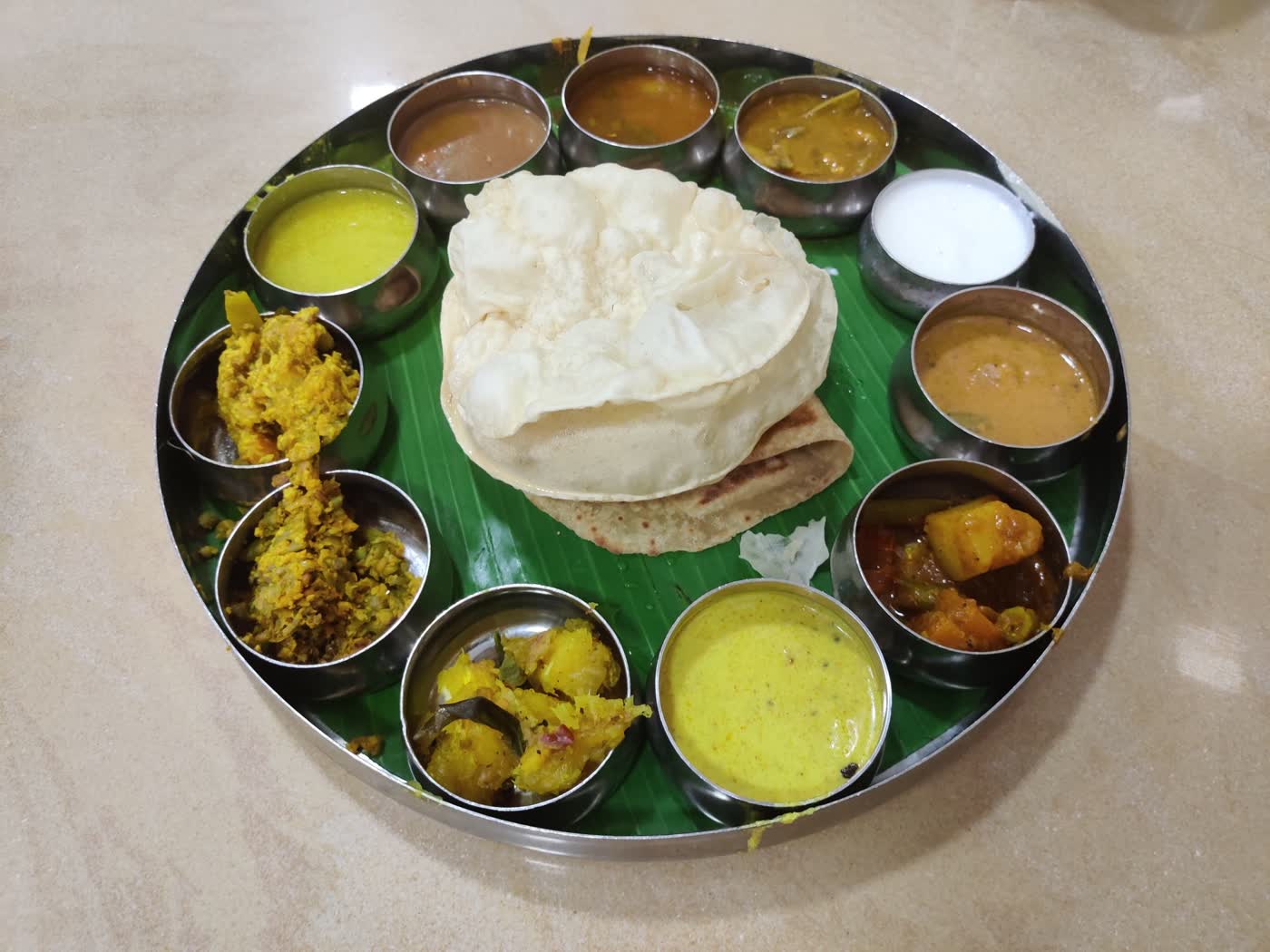
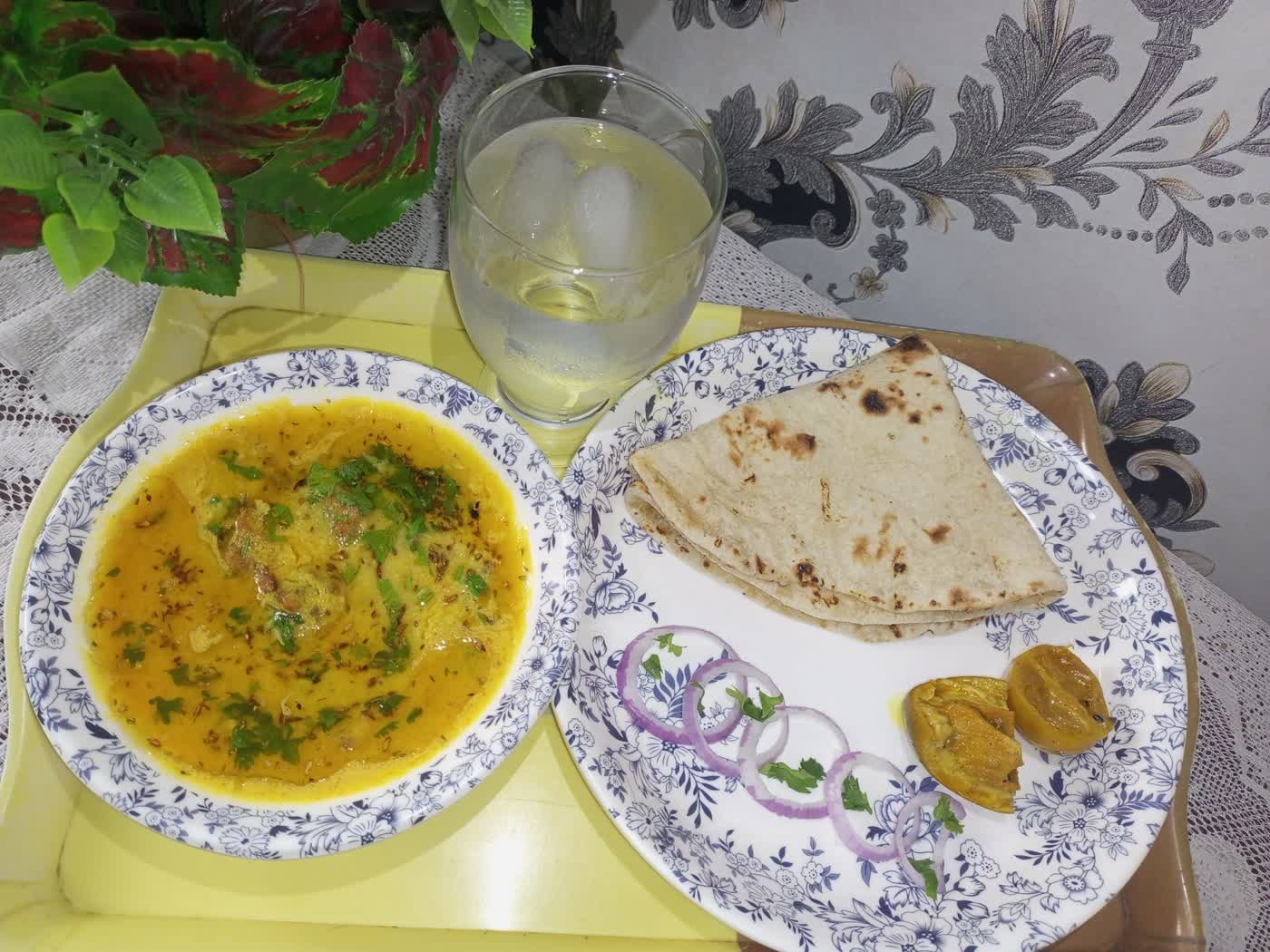
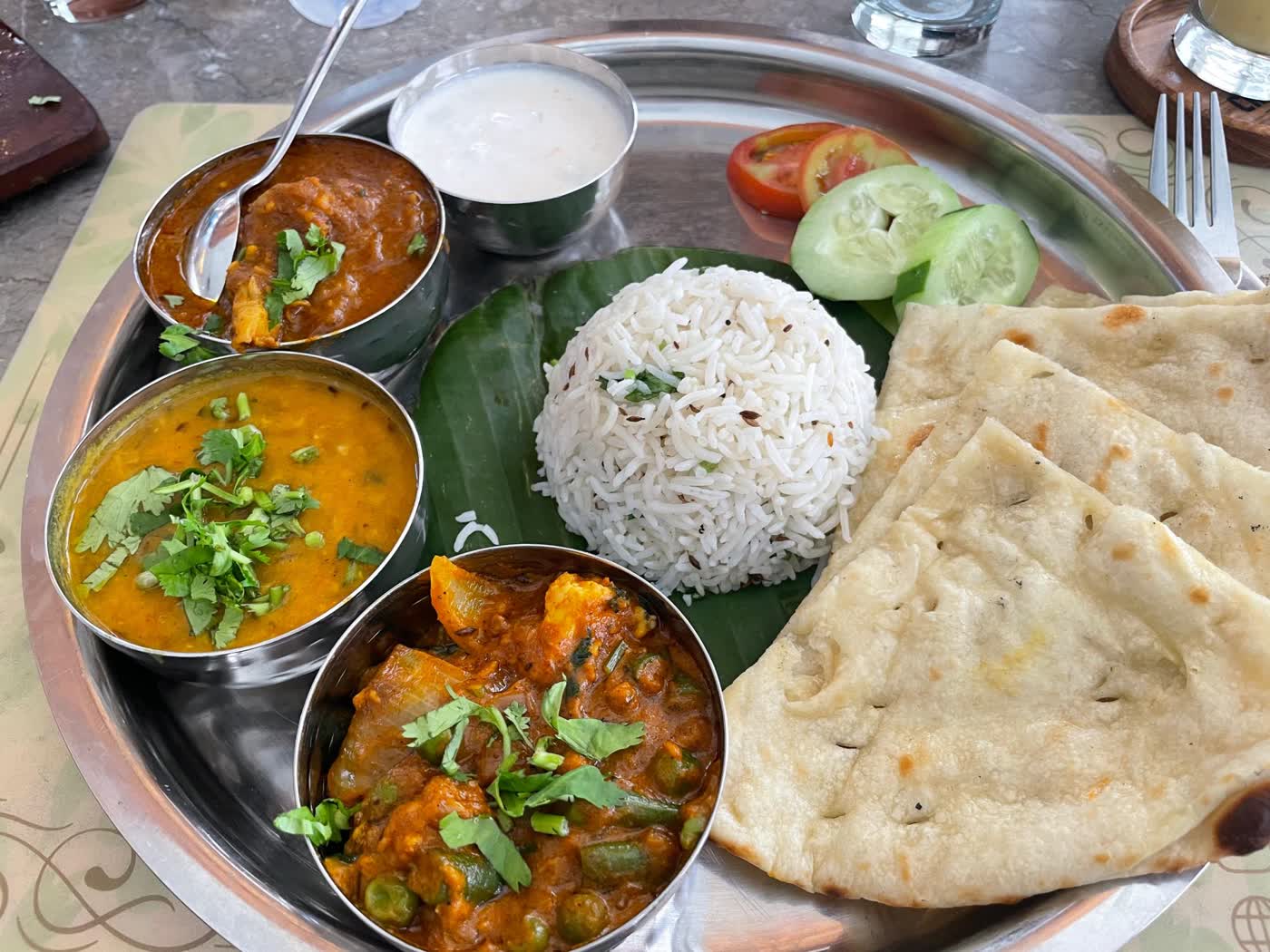
Indian food calories depend on the dish and the portion. In Thali's database, one 150 g katori of dal tadka is about 145 kcal, paneer butter masala about 245 kcal, and a small plate of mutton biryani about 370 kcal. Plain rice, rotis and the oil in the pan decide the rest of your total.
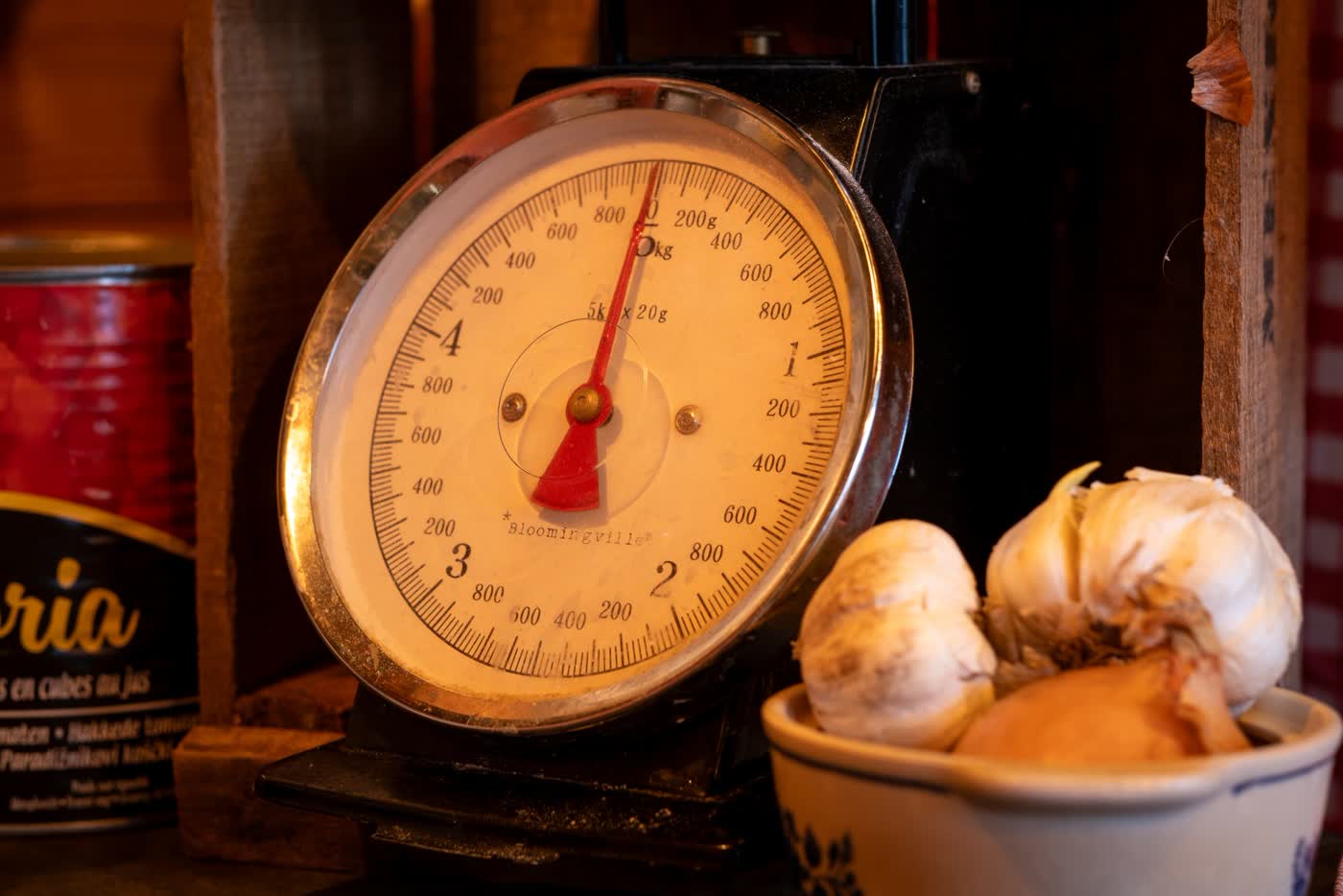
A katori is the small bowl served on an Indian thali. In Thali's database most cooked dishes use 150 g per katori, including dal tadka, rajma and sambar, while raita and kheer can be 100 g or 150 g and coconut chutney is 80 g. No official size exists, so weigh water in your own bowl to find yours.
A 150 g katori of toor dal has about 147 kcal and 9 g of protein in Thali's database. Moong dal is lowest at about 123 kcal, chana dal has the most protein of the plain dals at about 10.5 g with 165 kcal, and dal makhani is richest at about 222 kcal and 7.5 g of fat.
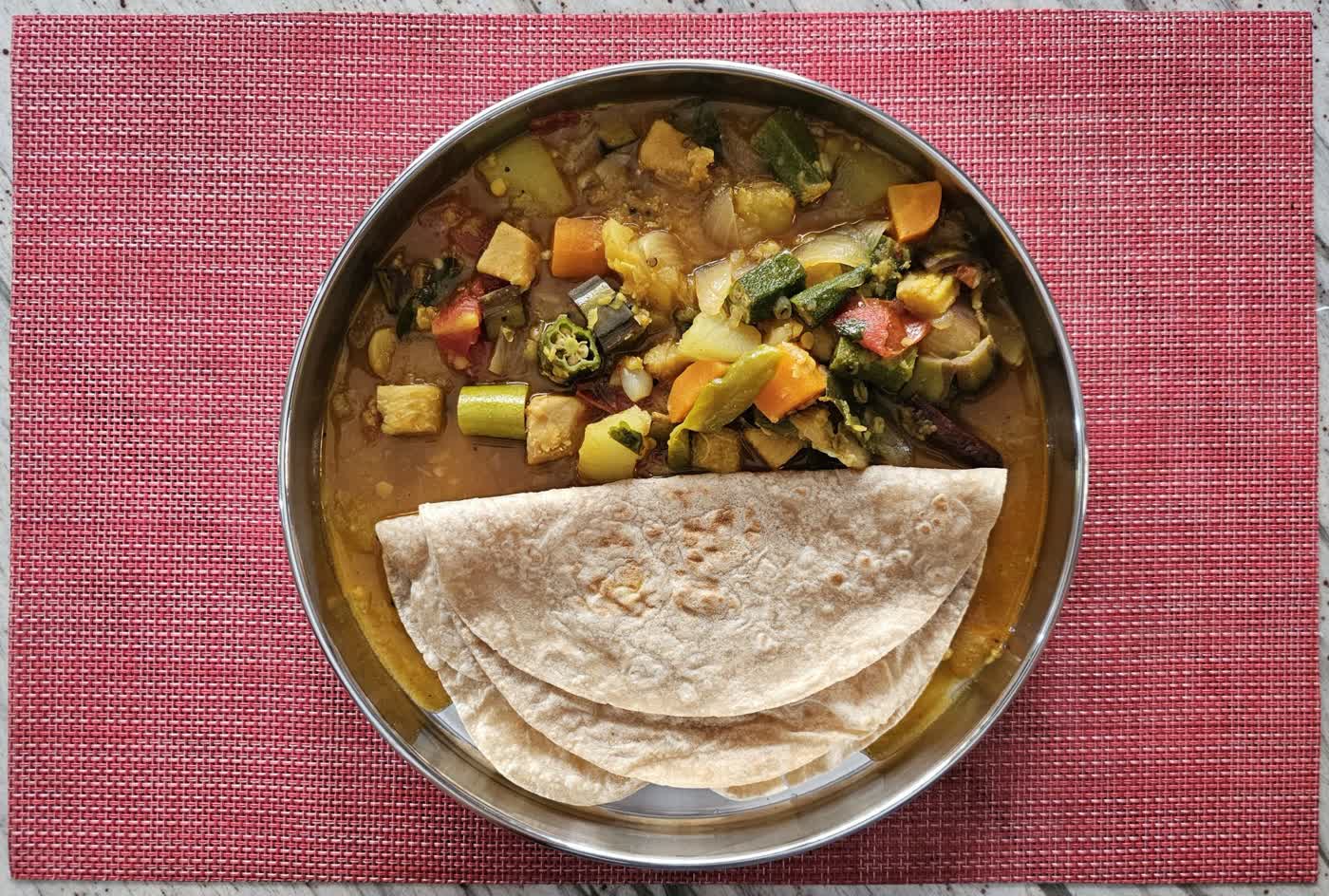
It depends on the portion. In Thali's database one 30 g phulka is about 79 kcal, a 45 g chapati about 134 kcal and a 150 g katori of plain white rice about 195 kcal. Two phulkas come to about 158 kcal, so the comparison turns on how many rotis and how much rice you serve.
Yes. The NHS and NICE use lower BMI thresholds for adults of South Asian background: 23 to 27.4 counts as overweight and 27.5 or higher as obese, instead of 25 and 30. The reason is that health risk tends to appear at a lower BMI in these groups. BMI is a screening tool and cannot diagnose anything.
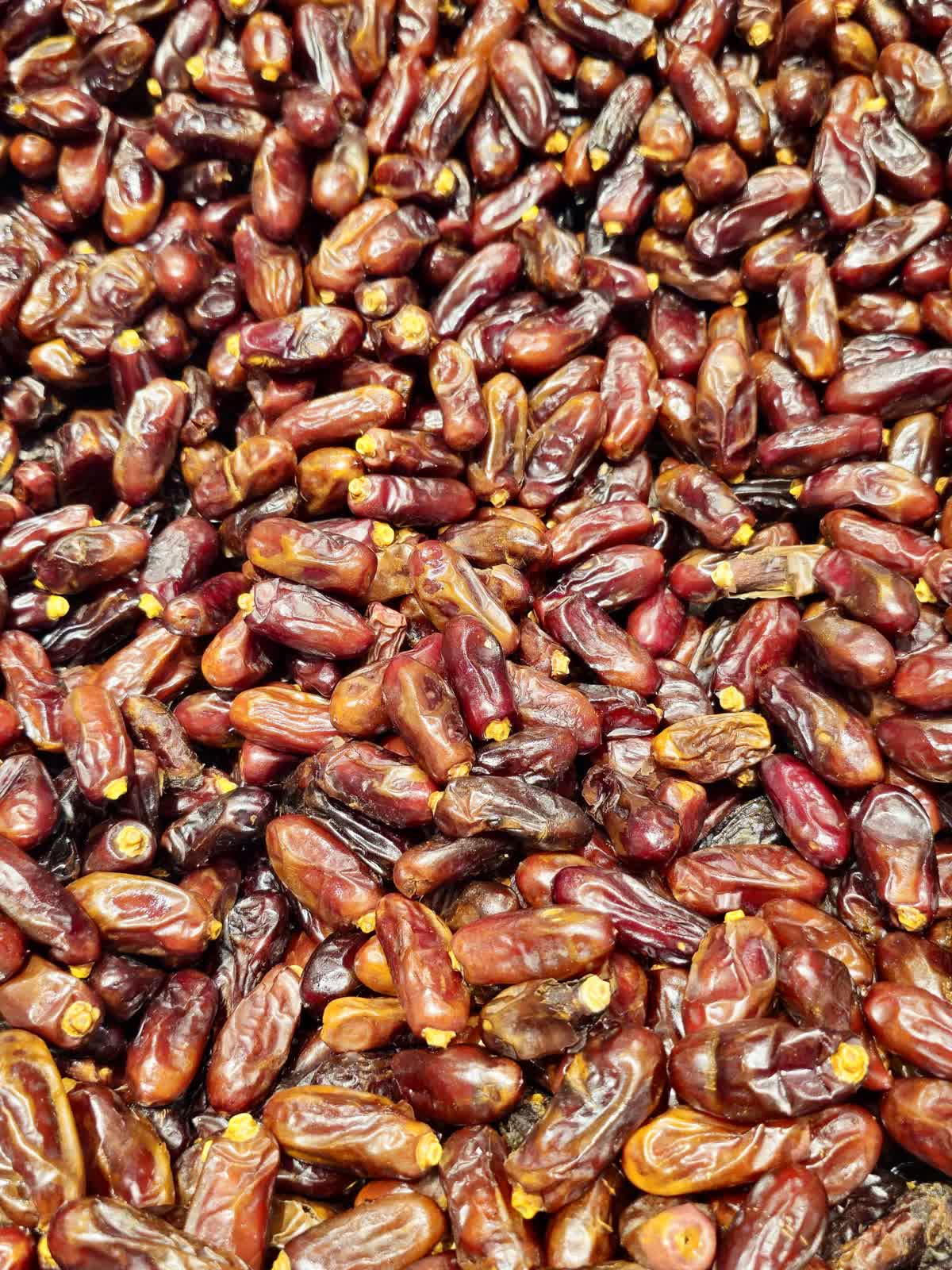
A Ramadan diet usually means two main eating times, suhoor and iftar. The British Nutrition Foundation suggests fluid-rich, high-fibre foods at suhoor, dates and fluids to break the fast, then a balanced meal, with fried and sugary foods limited. In Thali's database, a katori of moong dal khichdi is about 173 kcal.
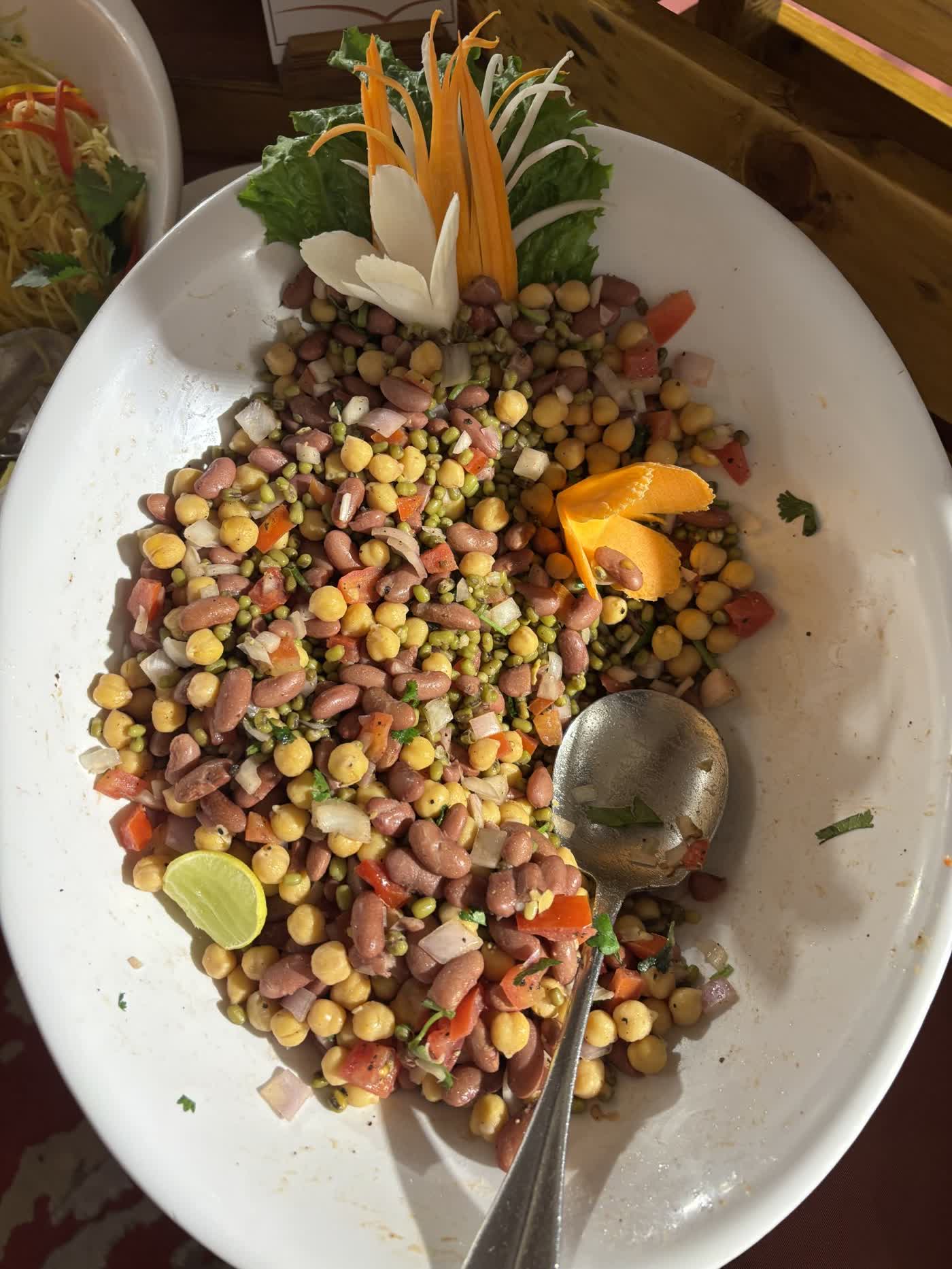
Indian vegetarians get protein from pulses, dairy, soya and grains across the day. In Thali's database a 150 g katori of rajma has about 13 g of protein, chole about 13.4 g and toor dal about 9 g, while 100 g of paneer has about 18 g. Variety matters more than any single food.
You can keep eating Indian food while managing your weight. The NHS suggests a gradual 0.5 to 1 kg a week and not skipping meals. In Thali's database a katori of sambar is about 83 kcal and lauki sabzi about 83 kcal, while paneer butter masala is about 246 kcal, so the dish and the portion matter.