Indian food calories 7 min read
How Many Calories in Indian Food? Common Dishes by Katori
By the Amelior Labs team · October 5, 2026
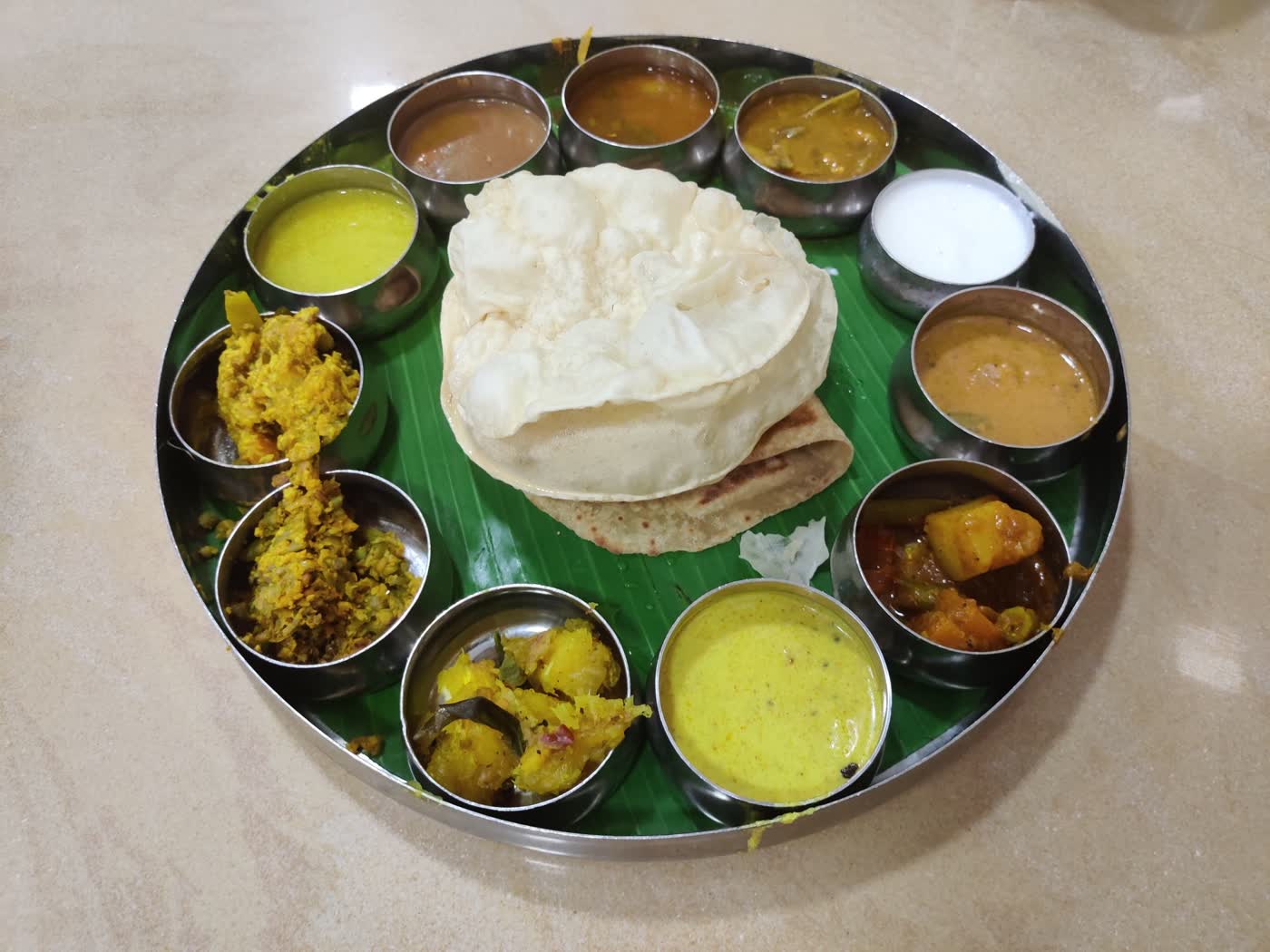
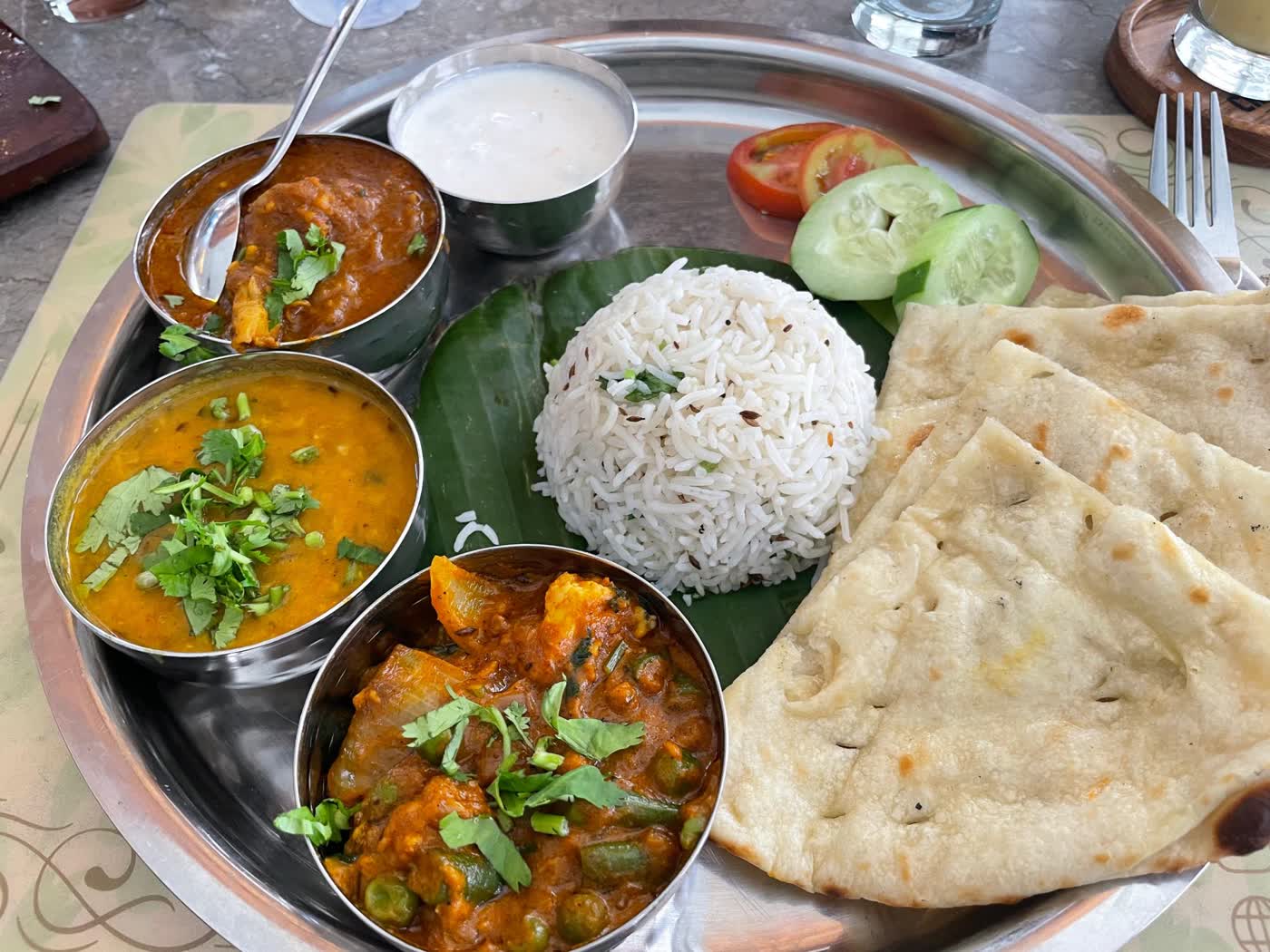
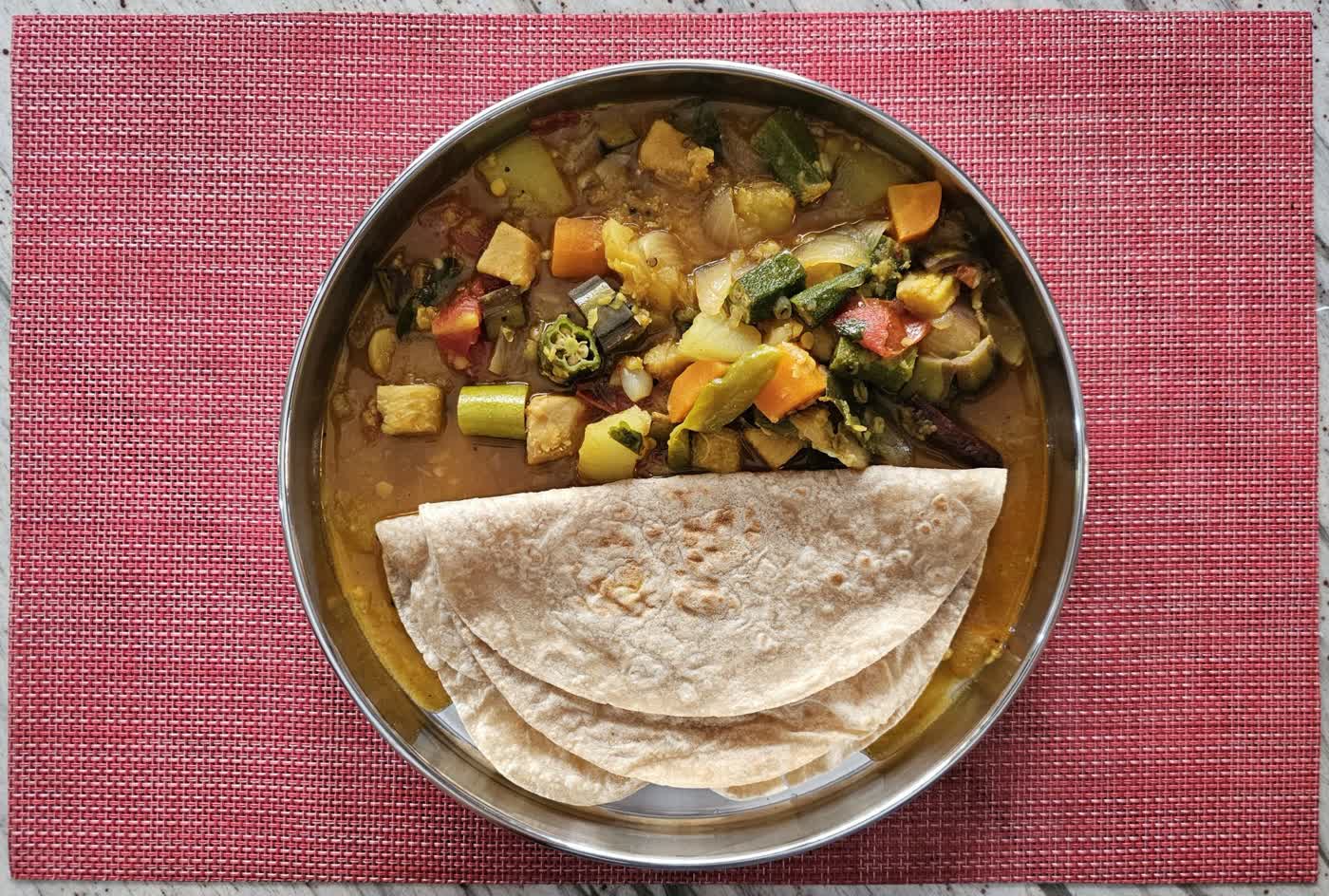
Search for the calories in Indian food and you usually get one number for dishes that change from kitchen to kitchen. A katori of dal at home and a bowl of dal makhani at a restaurant are different foods. This guide lists common dishes per katori, roti and plate, using the values stored in Thali's own food database, with the portion weight stated every time. Treat each figure as a sensible starting point, because real portions vary with the cook and the bowl.
Why one number never fits an Indian dish
Thali stores nutrition per 100 g and works out a portion as per-100 g value times grams, divided by 100. Many dishes have more than one entry because they come from different sources, such as ICMR-NIN style tables, the Indian Nutrient Databank, USDA FNDDS and the Pakistani and Sri Lankan food composition tables, and each entry records its source. That is why you will see a range for biryani below. Oil, ghee and cream move a dish up or down fast: one teaspoon of ghee (4 g) adds about 36 kcal in the database. When a dish is matched, calories in Thali come from this database rather than from AI.
How many calories in a katori of dal and beans?
The figures below use a 150 g katori, which is the cooked-dish portion most NIN-ICMR entries in Thali use. Plain and tempered dals sit in a similar range, while beans such as rajma and chole carry more carbohydrate and protein per bowl. A heaped katori or a restaurant bowl can hold noticeably more than 150 g, so scale the number up if your bowl is bigger. Dal tadka is the everyday reference here, with its tempering in a little ghee or oil already included in the entry. Rajma and chole are heavier per bowl because beans are denser than thin dal, and chole is often cooked with more oil. If your dal is watery, expect a lower number, and if it is thick with a generous tadka, expect a higher one.
- Dal tadka: about 145 kcal, 7.5 g protein
- Rajma: about 185 kcal, 13 g protein
- Chole: about 245 kcal, 13.4 g protein
- Moong dal khichdi: about 175 kcal, 8.3 g protein
Are paneer and chicken curries high in calories?
Gravies built on cream, butter or fried onion paste carry most of the extra energy, and paneer adds fat of its own. Compare two paneer dishes at the same 150 g portion and the gap is obvious: paneer butter masala has about 16.5 g of fat, while palak paneer has about 11 g. Vegetable sabzi sits lower still. These are the per-katori values for common curries, all recorded under NIN-ICMR in Thali's database. Chicken curries bring protein, so their calories are not empty ones. Butter chicken has about 16.5 g of protein per katori, more than double the protein in palak paneer at the same weight. When you log a restaurant curry, think about how much gravy you took, since gravy is where oil and cream sit. Vegetable sabzi entries come in lower because there is less fat and more water.
- Paneer butter masala: about 245 kcal, 16.5 g fat
- Palak paneer: about 165 kcal, 11 g fat
- Butter chicken: about 200 kcal, 16.5 g protein
- Aloo gobi: about 140 kcal
- Mix veg curry: about 130 kcal
- Lauki sabzi: about 85 kcal
How many calories in roti, rice and naan?
Bread and rice are where portions slip, because you count rotis but rarely weigh rice. The database lists a phulka at 30 g and a medium chapati at 45 g, and plain white rice as a 150 g katori. Naan entries differ by source and size, so check which one you are logging. Our roti versus rice guide covers these staples in more detail. Fibre differs too: a katori of plain white rice has about 0.6 g, while a phulka has about 1.9 g per 30 g. If you eat two rotis and a katori of rice together, add them up, because they are logged separately. Naan sizes differ between a home tawa and a restaurant tandoor, so choose the entry whose weight is closest to the piece on your plate.
- Phulka (30 g): about 80 kcal
- Chapati, medium (45 g): about 135 kcal
- Plain white rice, 1 katori (150 g): about 195 kcal
- Naan (53 g, INDB entry): about 150 kcal
- Garlic naan (100 g): about 305 kcal
How many calories does biryani have?
Biryani has the widest range in this guide, and the spread is genuine. Meat ratio, oil, rice and plate size all change the answer. The database holds several entries, and a plate can run from a lighter vegetable version to a heavy meat one. Is biryani high in calories? A full plate usually is, mostly because the plate is large, so the portion weight matters as much as the dish. Always note which entry and plate size you chose. Note the sources in brackets. USDA and INDB entries are different recipes from the Pakistani food composition table, so the same word biryani gives different totals. Pick the entry closest to what you ate and the plate size that matches yours, and the estimate will be much tighter than any single headline figure.
- Vegetable biryani, 250 g plate (USDA): about 270 kcal
- Mutton biryani, small plate 250 g (USDA): about 370 kcal
- Vegetable biryani, 302 g plate (INDB): about 530 kcal
- Biryani with meat, 300 g plate (Pakistan FCT 2001): about 590 kcal, 27 g protein
Snacks, sweets and how Thali adds it all up
Fried snacks and mithai are small in grams but dense in energy. A fried samosa entry of 65 g comes to about 210 kcal, a 60 g serving of pakora about 190 kcal, jalebi at 50 g about 175 kcal and a 50 g gulab jamun about 145 kcal. In Thali you log by katori, piece or cup, snap a photo for the AI to identify the meal, or say it out loud with voice logging. The calories then come from the verified database. Real portions vary, so adjust when your plate looks bigger.
Frequently asked questions
How many calories are in an average Indian meal?
It depends on what is on the plate. As an example from Thali's database, a katori of dal tadka (about 145 kcal), a katori of aloo gobi (about 140 kcal), two phulkas (about 160 kcal) and a katori of plain rice (about 195 kcal) add up to roughly 640 kcal. Change the dishes or portions and the total moves.
How many calories does biryani have?
Thali's database has several biryani entries. A 250 g plate of vegetable biryani is about 270 kcal, a small 250 g plate of mutton biryani about 370 kcal, and a 300 g plate of meat biryani from the Pakistani food composition tables about 590 kcal. Plate size and oil change the result.
Is paneer high in calories?
Paneer is energy dense. The database lists plain paneer at 265 kcal per 100 g with 18 g of protein and 20 g of fat. In gravy it depends on the recipe: palak paneer is about 165 kcal per 150 g katori and paneer butter masala about 245 kcal.
Why do calories for the same dish differ between apps?
Apps use different recipes and sources, and portions are often vague. Thali states the source for each entry and uses portions such as katori, piece or cup. Your own recipe, oil and bowl size still change the real number, so treat database values as a close estimate.
Does Thali use AI to calculate calories?
No. AI photo scanning identifies what is on your plate and voice logging captures what you say, but when a dish is matched the calories come from Thali's own verified database of South Asian dishes. Thali is available on Android now, and the iOS version is awaiting approval.