Protein and macros 6 min read
How Do Indian Vegetarians Get Protein? Real Portions Listed
By the Amelior Labs team · October 5, 2026
Is Indian food protein rich, and do vegetarians fall short? Everyday vegetarian Indian meals already contain several protein sources, and they add up. The NHS points to pulses, dairy and other plant foods and advises eating a variety. This guide lists protein per real portion from Thali's database so you can see which dishes contribute most, and what they cost in calories. It is general information, not a protein target for you.
Where vegetarian protein comes from
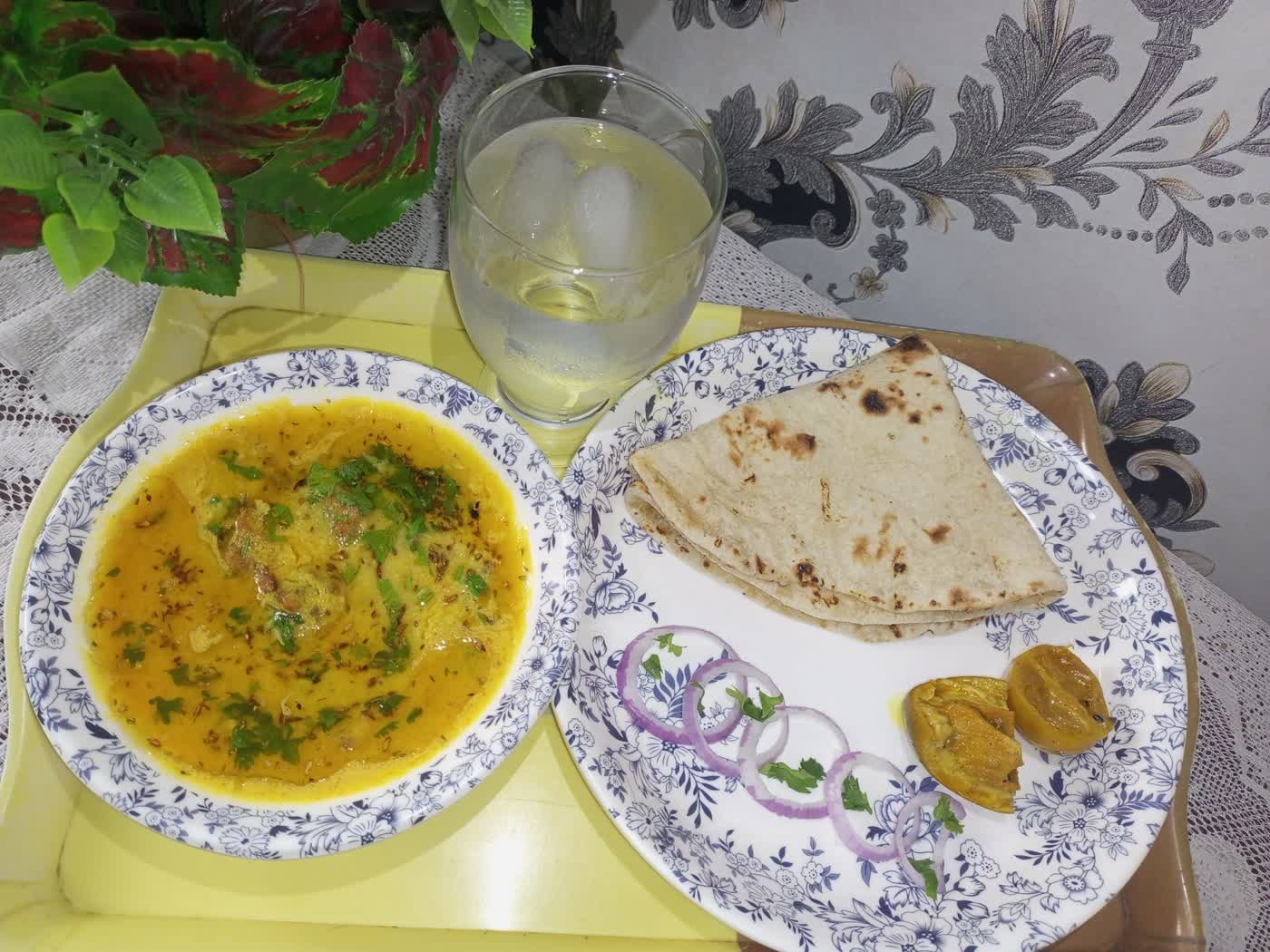
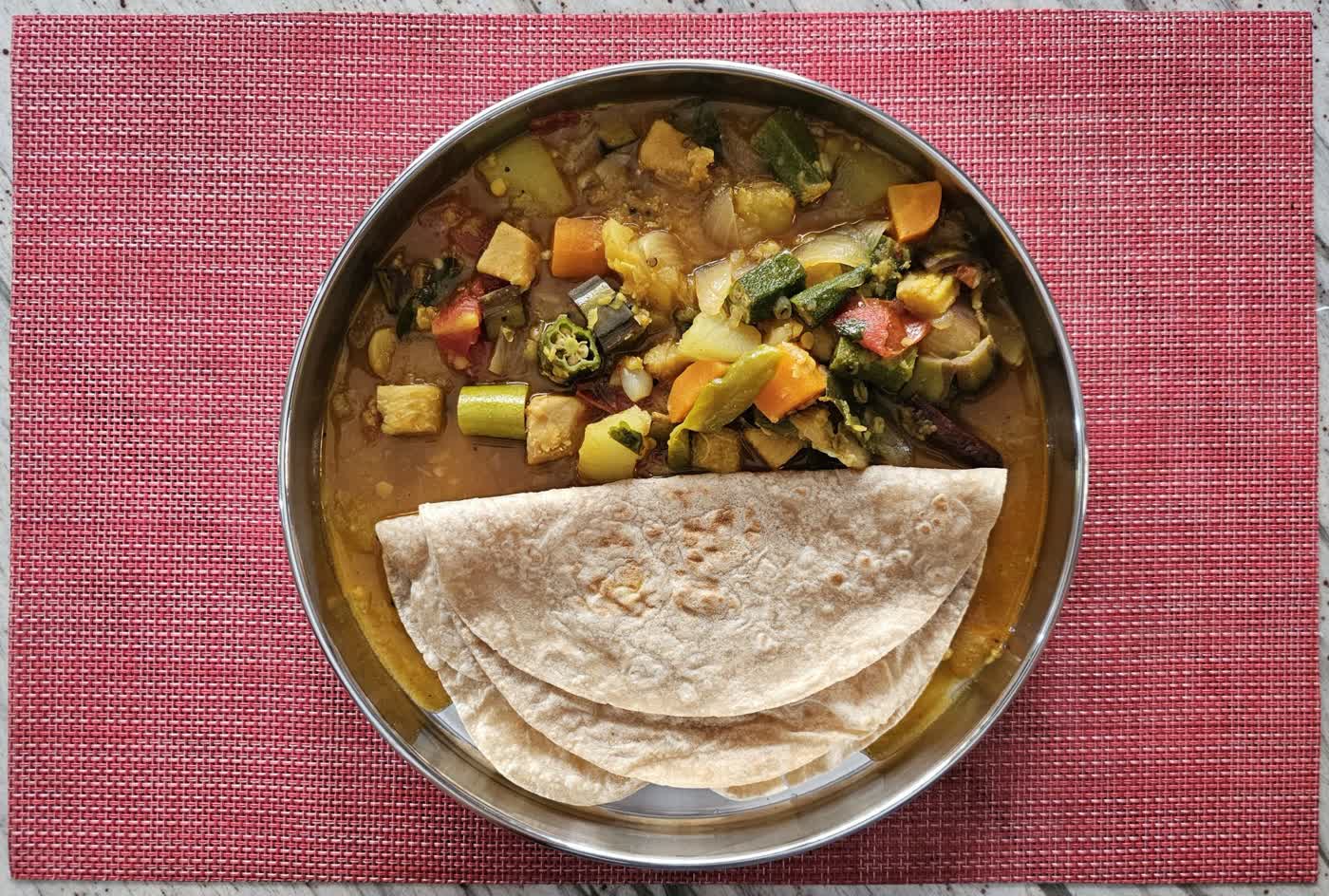
The NHS says pulses, which include beans, peas and lentils, are a low-fat source of protein, fibre, vitamins and minerals, and that they matter most for people who do not get protein from meat, fish or dairy. It also lists milk, yoghurt, nuts, seeds, eggs and soya products, and advises eating a variety of protein sources to get the right mix of amino acids. Traditional Indian meals already do this: dal with roti or rice, a bowl of curd, a sabzi with paneer or beans. The next sections show what that looks like in numbers.
Pulses per katori
Beans and chickpeas lead the pulse dishes in the database, and they bring plenty of fibre too. Each value below is for one 150 g katori of the cooked dish, recorded under NIN-ICMR unless stated. Your own katori may differ, so scale the figure to match your portion. Beans and chickpeas also carry plenty of fibre: rajma has about 11 g per katori in this entry and kala chana about 9 g. Home cooks use different amounts of oil, so the calories can swing, but the protein stays fairly steady. Dals sit a little lower per katori than beans, so a day with both gets more from each.
- Kala chana: about 198 kcal, 13.5 g protein
- Chole: about 245 kcal, 13.4 g protein
- Rajma: about 185 kcal, 13.0 g protein
- Masoor dal: about 138 kcal, 9.8 g protein
- Toor dal: about 147 kcal, 9.0 g protein
- Mixed boiled pulses (recipe entry): about 175 kcal, 12.6 g protein
Paneer, dahi and other dairy
Does paneer have calories? Yes, and a lot of them: the database lists plain paneer at 265 kcal per 100 g, with 18 g of protein and 20 g of fat. Dahi is lighter on protein but still contributes, and a low-fat Greek-style yogurt is much higher in protein for the energy. So paneer is protein dense and energy dense, and in a rich gravy the calories rise further. Is paneer high in calories? Per 100 g, yes, so portion size is what to watch. Dairy also brings calcium, as the NHS notes, which is a reason to include it beyond protein.
- Paneer, 100 g: about 265 kcal, 18 g protein
- Dahi, 1 katori (150 g): about 147 kcal, 5.3 g protein
- Raita, 1 katori (150 g): about 72 kcal, 4.2 g protein
- Low-fat Greek-style yogurt, 150 g (USDA entry): about 122 kcal, 13.6 g protein
Soya, sprouts and other plant options
Soya chunks are very concentrated: a packaged entry sourced from Open Food Facts records 354 kcal and 53 g of protein per 100 g of dry product. As arithmetic, a 30 g dry handful would be about 106 kcal and 16 g of protein before cooking, though the weight changes once soaked. Soyabean tikki from the Indian Nutrient Databank has about 21 g of protein per 166 g tikki at about 346 kcal. Sprouted moong salad is lighter, at about 77 kcal and 4.7 g of protein for a 204 g bowl. Check the pack you actually buy, since brands differ.
Picture this: one illustrative day
Picture this: moong dal khichdi and a katori of dahi at breakfast, a katori of rajma with two phulkas at lunch, and a katori of toor dal with two phulkas at dinner. Using the database values above, that adds up to about 46 g of protein and about 970 kcal. It only illustrates how pulses and dairy add up and is not a plan or a target. Your needs depend on your age, health and activity, and a registered dietitian can set a plan for you. Change any dish or portion and the total changes with it.
Tracking protein in Thali
Thali shows protein for each portion as you log by katori, piece or cup, so you can see which dishes contribute. Snap a photo and AI scanning identifies the meal, or log by voice, and when a dish is matched the nutrition comes from the verified database of South Asian dishes rather than from AI. Real portions vary with the cook and the bowl, so adjust amounts to match your plate. Thali is available on Android now, and iOS is awaiting approval. Because values are per portion, you can compare a katori of rajma with a katori of dal on the same footing. Read the portion name beside each entry, since a bowl, a katori and a plate can differ a lot in grams.
Frequently asked questions
How do Indian vegetarians get protein?
Mainly from pulses such as dal, rajma and chole, from dairy such as dahi and paneer, and from soya and grains. The NHS advises eating a variety of protein sources. A katori of rajma has about 13 g of protein in Thali's database.
Is Indian food protein rich?
Some dishes are. Per 150 g katori, kala chana has about 13.5 g, chole 13.4 g and rajma 13 g in Thali's database. Others, like rice and many sabzis, have little, so the mix across your meals matters. Variety across the day matters more than any one dish.
Does paneer have calories?
Yes. In Thali's database plain paneer is about 265 kcal per 100 g with 18 g of protein and 20 g of fat. In gravy the total depends on the recipe, for example about 165 kcal per 150 g for palak paneer.
Is dal enough protein for vegetarians?
Dal is a helpful part of the mix, giving roughly 8 to 10 g of protein per katori. The NHS advises a variety of protein sources, so combine dal with dairy, beans, soya or nuts. Individual needs vary, so ask a dietitian.
What is the highest protein vegetarian Indian food?
By concentration, dry soya chunks (53 g per 100 g in one database entry) and paneer (18 g per 100 g) lead. By typical servings, kala chana, chole and rajma give about 13 g per katori. Concentrated foods are portion-sensitive, so weigh the amount you eat.